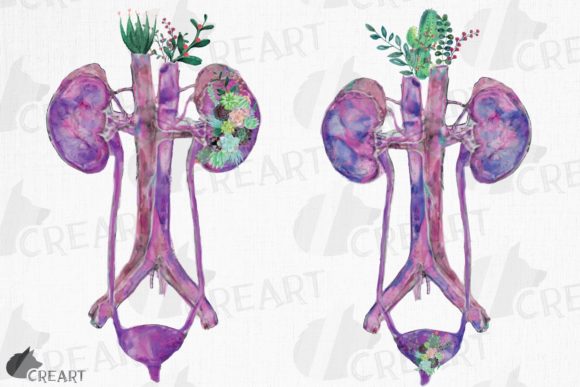
Botanical Anatomy: The Artistic Fusion of Human Urinary Tract System Succulents
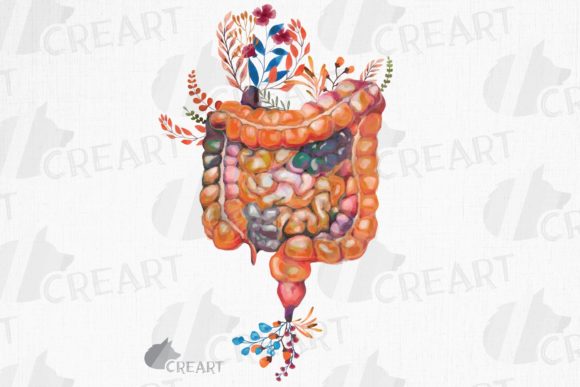
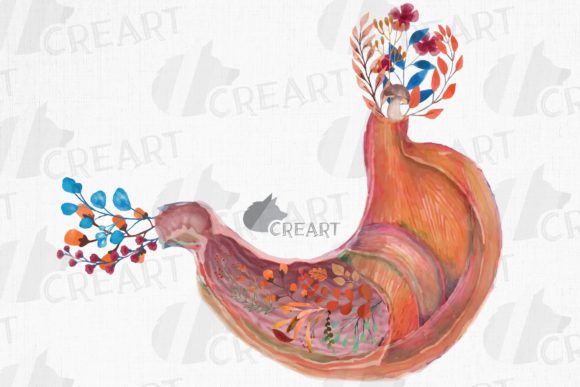
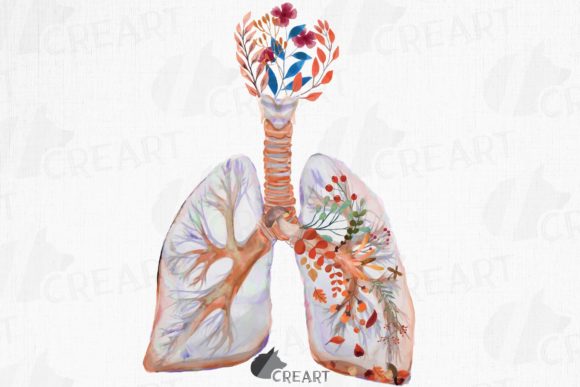
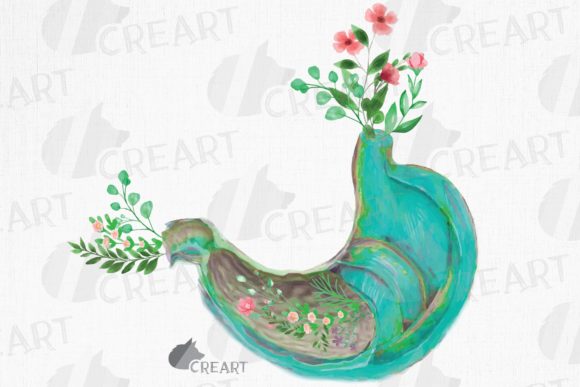
The intersection of medical science and botanical art has given rise to a unique visual language that resonates with professionals, educators, and creatives alike. At the forefront of this trend is the concept of Human Urinary Tract System Succulents, a design motif that replaces traditional anatomical illustrations with lush, watercolor-style flora. This approach transforms the clinical depiction of the kidneys, ureters, bladder, and urethra into vibrant, living compositions. By utilizing purple anatomical urinary tract system elements intertwined with succulent greenery, artists and designers create pieces that are both scientifically recognizable and aesthetically soothing. This fusion serves not only as decorative wall art but as a versatile resource for a wide array of applications ranging from medical education to personalized gifting.
The Evolution of Medical Illustration into Decorative Art
Traditionally, anatomical charts were strictly functional, designed for hospital walls and textbooks with a focus on sterile accuracy. However, the modern demand for urologist medical anatomy wall art has shifted toward designs that humanize the body. The incorporation of succulents into the urinary tract diagram softens the clinical edge, making the subject matter more approachable for patients and students. The use of watercolor textures adds depth and organic flow, mimicking the natural curves of the biological systems they represent. When these elements are rendered in shades of purple, they evoke a sense of calm and professionalism, aligning with the color psychology often associated with wisdom and healing.
This stylistic evolution allows for the creation of floral human urinary system clip art that transcends its original medical context. It becomes a piece of art suitable for a urologist's office waiting room, reducing patient anxiety, or a nursing station, adding a touch of nature to a high-stress environment. The versatility of these designs lies in their ability to maintain anatomical correctness while embracing artistic freedom. The kidneys might be depicted as robust, leafy structures, while the ureters flow like delicate vines, creating a visual narrative that celebrates the complexity of the human body through the lens of nature.
Technical Versatility and File Format Advantages
For creators and business owners, the utility of these designs is heavily dependent on the technical quality and variety of the file formats provided. A comprehensive package for Human Urinary Tract System Succulents typically includes a diverse range of files to ensure compatibility with various software ecosystems. High-resolution PNG images with transparent backgrounds are essential for digital workflows. These allow users to place the individual clip art on any color or background without unsightly white boxes, making them ideal for web design, social media graphics, and digital invitations.
Beyond raster images, the inclusion of vector formats such as SVG, AI, EPS, and DXF is critical for scalability. Vector objects can be resized without any quality loss, which is a fundamental requirement for large-format printing like floral wall decor or small-scale applications like stickers and jewelry. An Adobe Illustrator (AI) file with layered elements offers the highest degree of customization, allowing designers to isolate specific parts of the urinary system or adjust the arrangement of the succulents. Similarly, an EPS file ensures compatibility with CorelDRAW, catering to sign makers and vinyl cutters who rely on this software for precision cutting.
The presence of a Photoshop file with layered elements further enhances the creative potential. Users can manipulate colors, opacity, and blending modes to match specific brand identities or project themes. For instance, the purple hues of the anatomical system can be shifted to match a wedding color palette or a corporate logo. Additionally, the inclusion of JPG files provides a universally accessible option for quick previews or simple document insertions, while PDF files ensure that the artwork can be viewed and printed consistently across different devices and operating systems.
Diverse Applications in Professional and Personal Contexts
The practical applications of Human Urinary Tract System Succulents extend far beyond simple decoration. In the realm of healthcare, these graphics serve as excellent tools for patient education. A urologist might use a softened, floral representation of the bladder to explain conditions like interstitial cystitis or kidney stones in a way that feels less intimidating than a stark medical diagram. This approach can facilitate better communication between doctor and patient, fostering a more comfortable environment for discussing sensitive health issues.
In the world of merchandise and retail, these designs are perfect for sublimation projects. The high-resolution files allow for crisp transfers onto tumblers, mugs, and apparel. A doctor nurse gift featuring this unique blend of anatomy and botany makes for a thoughtful and personalized present that acknowledges the recipient's profession while celebrating their personal style. T-shirt designers can utilize the SVG or DXF files to create heat transfer vinyl cuts, producing wearable art that appeals to medical students, nurses, and urology specialists.
Event planners and individuals organizing special occasions can also leverage these assets. For a medical school graduation or a retirement party for a long-serving urologist, the floral human urinary system clip art can be used to dress up invitations, programs, and thank-you cards. The aesthetic is sophisticated enough for formal events yet playful enough to add character to the celebration. Furthermore, scrapbookers and paper crafters can incorporate these elements into memory books documenting a journey through medical school or a career in healthcare, adding a thematic touch to their layouts.
Customization and Color Theory in Design
One of the most compelling features of working with vector-based anatomical art is the ability to modify colors to suit specific needs. While the default watercolor purple anatomical urinary tract system offers a regal and calming aesthetic, the underlying vector data allows for infinite variations. Designers can experiment with different color palettes to align with seasonal trends, brand guidelines, or personal preferences. For example, shifting the palette to earth tones might create a more rustic look suitable for a nature-themed clinic, while bright, vibrant colors could appeal to a pediatric urology setting.
The integration of succulents introduces a natural green contrast that complements the purple tones beautifully. This color combination is not only visually striking but also psychologically balanced, combining the stability of green with the creativity of purple. When creating printable gift graphics, understanding how these colors interact on different substrates is crucial. Sublimation on ceramics may yield different results compared to printing on cotton fabric or vinyl. The layered nature of the provided files allows users to test these variations digitally before committing to physical production, ensuring the final product meets high-quality standards.
Implementation Strategies for Creators and Educators
For educators and researchers, incorporating Human Urinary Tract System Succulents into teaching materials can enhance engagement. Traditional anatomy lectures can be supplemented with these artistic representations to help students visualize the spatial relationships between organs in a more memorable way. Worksheets, presentation slides, and study guides adorned with these graphics can break the monotony of text-heavy content, aiding in information retention. The key is to balance the artistic elements with accurate labeling, ensuring that the educational value is not compromised by the decorative style.
Business owners in the print-on-demand sector can capitalize on this niche by creating targeted product lines. By utilizing the full suite of file formats—PNG for mockups, SVG for cutting machines, and AI for custom edits—entrepreneurs can rapidly prototype and launch new products. Whether it's a set of coasters for a medical conference, a banner for a clinic opening, or a series of stickers for laptop decoration, the adaptability of these files supports a wide range of business models. The ability to resize vectors without quality loss means that a single design asset can generate revenue across multiple product categories, from small accessories to large wall murals.
Considerations for Quality and Usage
When selecting resources for Human Urinary Tract System Succulents, it is imperative to verify the resolution and layer structure of the files. High-resolution PNGs should ideally be 300 DPI or higher to ensure sharp prints, especially for larger formats like wall art. Transparent backgrounds must be clean, with no stray pixels or halos around the intricate details of the succulent leaves and anatomical curves. For vector files, checking that paths are closed and grouped logically can save significant time during the editing process.
Furthermore, understanding the licensing terms associated with these digital assets is crucial for commercial use. While many packages allow for broad application in promotion materials, T-shirts, and web design, it is always wise to confirm the extent of the license. Proper attribution, if required, should be managed carefully to maintain professional integrity. By respecting intellectual property rights and utilizing high-quality, versatile files, creators can produce outstanding work that honors both the artistry of the design and the complexity of the human anatomy it represents.
In conclusion, the merger of botanical elements with medical anatomy creates a rich tapestry of visual opportunities. The Human Urinary Tract System Succulents concept exemplifies how functional imagery can be elevated into art that informs, comforts, and inspires. Whether used to create a heartfelt gift for a healthcare provider, to decorate a professional space, or to enhance educational materials, these designs offer a unique blend of science and nature. With the right technical files and a creative vision, the possibilities for application are nearly endless, proving that even the most clinical subjects can bloom with beauty and relevance.