Exploring the Intersection of Medical Science and Nature: Floral Anatomical Human Lungs Decor Art
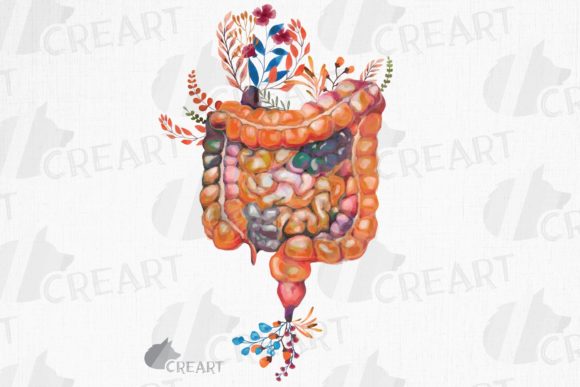
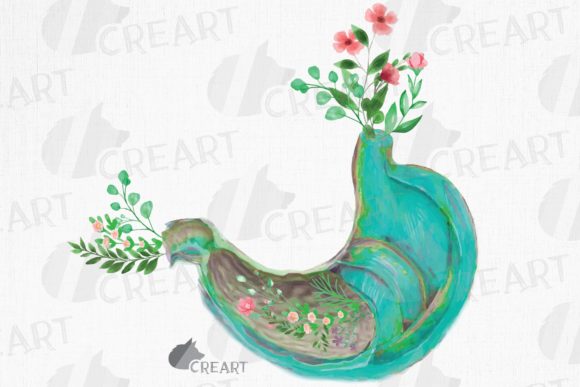
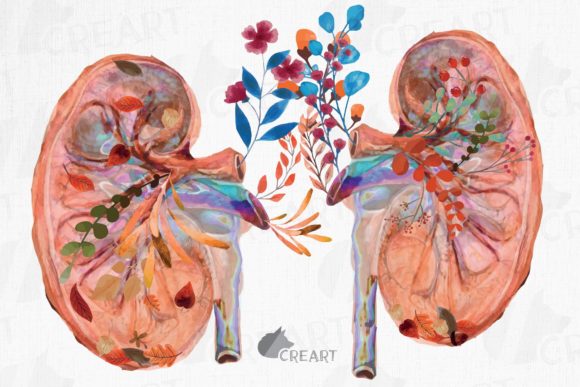
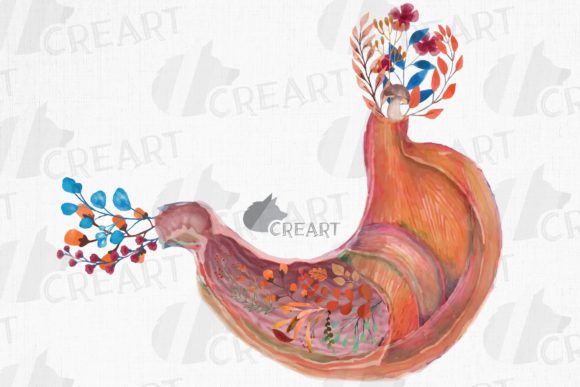
The convergence of medical illustration and botanical art has emerged as a compelling trend in contemporary design, offering a unique visual language that bridges the gap between clinical precision and organic beauty. At the forefront of this movement is Floral Anatomical Human Lungs Decor Art, a distinctive style that reimagines the human respiratory system through the lens of blooming flora. This artistic approach does more than simply decorate; it transforms complex biological structures into accessible, aesthetically pleasing narratives that resonate with a diverse audience ranging from pulmonologists and medical students to interior designers and crafting enthusiasts.
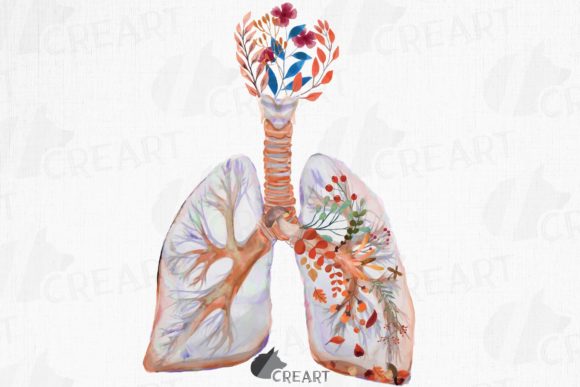
By integrating the intricate branching of the bronchial tree with the delicate petals of autumn blooms, creators are able to produce imagery that is both scientifically grounded and emotionally evocative. This synthesis allows for a deeper appreciation of human anatomy while softening the often sterile perception of medical graphics. Whether utilized as a medical printable anatomy wall decor graphic in a clinic or adapted into a Floral human lungs gift art piece for a loved one, these designs serve multiple functional and decorative purposes.
The Aesthetic Philosophy of Botanical Anatomy
The core appeal of this design genre lies in its ability to humanize anatomy. Traditional medical diagrams are essential for education but often lack the warmth required for residential or celebratory contexts. The introduction of floral elements, particularly those mimicking Autumn blooming anatomical lungs card design, introduces a palette of warm oranges, deep reds, and earthy browns that evoke feelings of vitality and change. This seasonal connection is particularly potent when creating a Medical Thanksgiving gift template clip art, where themes of gratitude for health and life align perfectly with the harvest season.
In these compositions, the alveoli might be represented by clusters of small berries or tight flower buds, while the trachea and bronchi flow like sturdy stems supporting the vibrant canopy of the lungs. This metaphorical representation encourages viewers to see the lungs not just as organs of respiration, but as gardens of life within the body. For educators and researchers, this visual metaphor can serve as a powerful tool to explain the delicacy and complexity of the respiratory system to patients or students who may find standard textbooks intimidating.
Versatility in Digital Formats and File Compatibility
To maximize the utility of these designs across various mediums, the underlying digital assets must be robust and versatile. High-quality collections of Floral Anatomical Human Lungs Decor Art typically provide a comprehensive suite of file formats to ensure compatibility with a wide array of software and hardware. Understanding the specific role of each file type is crucial for professionals and hobbyists alike who wish to integrate these graphics into their workflows.
A standard professional package usually includes the following distinct file types, each serving a specific technical purpose:
- PNG (Portable Network Graphics): This is often the most immediately usable format for digital applications. A high-resolution PNG with a transparent, invisible background allows users to place the individual clip art on any color or background they like without unsightly white boxes or borders. This is ideal for web design, social media graphics, and quick mockups.
- JPG (Joint Photographic Experts Group): While lacking transparency, JPG files are universally compatible and excellent for standard printing tasks where the background is not a concern, such as inserting the image into a document or a basic photo frame.
- SVG (Scalable Vector Graphics): Essential for web developers and modern cutting machines, SVG files allow the image to be scaled infinitely without pixelation. They are code-based, making them perfect for responsive web design and interactive elements.
- AI (Adobe Illustrator) and EPS (Encapsulated PostScript): These are the industry standards for vector editing. The AI file offers layered elements for deep customization in Adobe software, while the EPS file ensures compatibility with Corel Draw and other vector-based programs. These formats are critical for large-scale printing, such as banners or billboard-sized floral wall decor.
- PSD (Photoshop Document): For artists who prefer raster-based editing with layer control, the PSD file allows for detailed texture adjustments, color grading, and blending mode experiments.
- PDF (Portable Document Format): Often used for direct printing or viewing across different operating systems without needing specialized design software.
- DXF (Drawing Exchange Format): Specifically designed for CAD software and laser cutters, this format enables the creation of physical objects, such as wooden signs or metal cutouts, based on the lung silhouette.
The availability of these varied formats ensures that whether you are a business owner creating promotion materials, a crafter making stickers, or an educator preparing lecture slides, the asset fits your specific technical requirements. Furthermore, because these are vector-based origins, all vector objects can be resized without any quality loss, and colors can be changed to match specific brand identities or seasonal themes.
Practical Applications Across Industries
The adaptability of Pulmonologist med gift png files and similar assets extends far beyond simple wall art. The practical applications are vast, catering to both commercial enterprises and personal projects. In the realm of apparel and merchandise, these designs are perfectly suited for sublimation printing. By using the high-resolution files, creators can produce vibrant, long-lasting images on polyester fabrics, making them ideal for T shirt designs, scrubs for medical professionals, or tote bags.
For those interested in home goods, the graphics serve as excellent candidates for waterslide transfers. This technique allows the image to be applied to curved surfaces, enabling the creation of custom tumbler or mug designs. A healthcare worker might appreciate a morning coffee mug featuring a subtle, elegant rendition of their specialty, turning a daily routine item into a point of pride and conversation. Similarly, these designs can be incorporated into wedding decor, perhaps as part of a table setting for a couple who met in medical school or as a unique guest book alternative.
In the educational sector, the clarity of these anatomical representations makes them valuable teaching aids. Unlike cluttered textbook diagrams, the floral overlay can help students visualize the spatial relationships within the thoracic cavity. Teachers can print these as handouts, project them in classrooms, or use the DXF files to create tactile learning models using laser-cut materials. The ability to isolate layers in the Photoshop or Illustrator files means that instructors can hide labels or specific parts of the anatomy to create quizzes and interactive learning modules.
Seasonal Relevance and Gift Giving
One of the most charming aspects of this design niche is its seasonal flexibility. While anatomical art is perennial, the infusion of autumnal elements creates a specific resonance during the fall months. Creating a Thanksgiving gift that acknowledges the gift of health is a profound gesture. A card featuring an Autumn blooming anatomical lungs card design can convey a message of thanks for life and breath, making it a thoughtful present for survivors of respiratory illnesses, frontline workers, or family members in the medical field.
Scrapbookers and paper crafters will find these elements invaluable for documenting medical journeys, graduation milestones, or retirement parties for long-serving nurses and doctors. The clip art can be layered with journaling cards, ribbons, and photographs to create memory books that honor professional achievements and personal health victories. The absence of logos and paper textures on purchased items ensures that the final craft project looks professional and polished, rather than like a stock image download.
Technical Considerations for Customization
When working with Medical printable anatomy wall decor graphic assets, understanding the distinction between raster and vector workflows is key to achieving the best results. For users intending to change colors, the vector files (AI, EPS, SVG) are superior. They allow for the selection of individual paths—such as changing a leaf from green to gold or a vein from red to blue—without affecting the rest of the image. This level of control is essential for matching specific interior design schemes or corporate branding guidelines.
Conversely, for projects involving texture overlays or photorealistic blending, the layered PSD files offer the necessary depth. Users can apply noise, grain, or watercolor effects to the separate layers to give the digital art a traditional, hand-painted feel. This hybrid approach combines the precision of digital vector art with the warmth of traditional media, enhancing the emotional impact of the piece.
It is also important to consider the resolution requirements for different output methods. While vector files are resolution-independent, the included PNG and JPG files are fixed at a specific DPI (dots per inch). For large format printing, such as a massive canvas for a waiting room, relying on the vector source files is mandatory to prevent pixelation. For smaller items like stickers or web icons, the high-resolution raster files provided in the package are typically sufficient and easier to manage for non-designers.
Empowering Creators and Professionals
Ultimately, the value of these comprehensive design packages lies in their ability to empower a broad spectrum of users. For the small business owner, they reduce the time and cost associated with commissioning custom illustrations, allowing for rapid deployment of marketing materials. For the hobbyist, they provide professional-grade assets that elevate personal projects to gallery-quality standards. For the medical professional, they offer a way to personalize their workspace and connect with patients on a more human level.
The seamless integration of science and art found in Floral Anatomical Human Lungs Decor Art represents a shift towards more holistic visual communication. It acknowledges that medicine is not just about data and pathology, but about life, growth, and the natural world that sustains us. By providing tools that are both technically robust and artistically inspiring, these resources enable everyone from researchers to retailers to tell richer, more meaningful stories through visual media. Whether adorning a wedding invitation, a clinical brochure, or a personalized water bottle, these designs remind us of the beautiful complexity inherent in every breath we take.