Evaluating Floral Human Anatomical Stomach Designs for Creative and Educational Projects
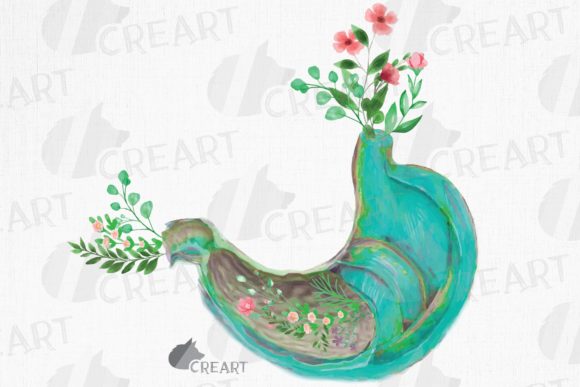
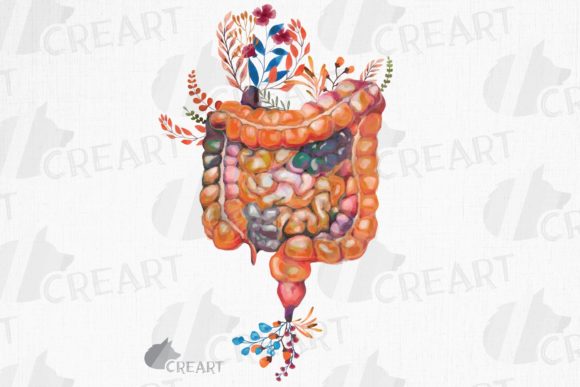
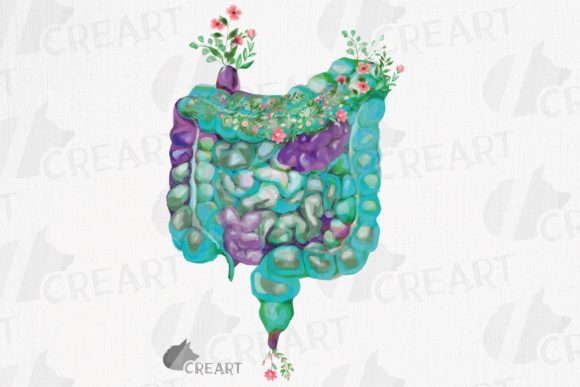
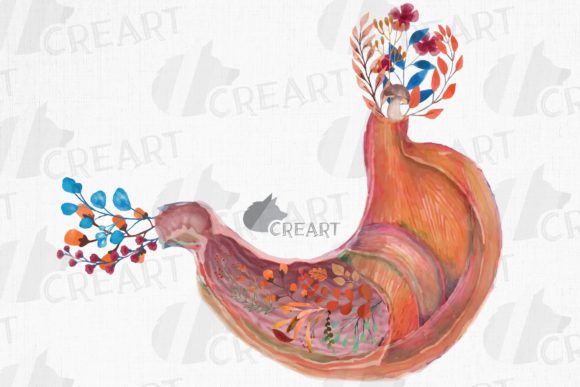
The intersection of medical illustration and botanical art has created a unique niche in digital design known as the Floral Human Anatomical Stomach Design. This specific aesthetic merges the biological accuracy of the human digestive system with the organic softness of autumn blooming flowers, typically rendered in a watercolor style. For individuals ranging from gastroenterologists and medical students to graphic designers and craft enthusiasts, understanding the utility, versatility, and technical specifications of these assets is crucial before integrating them into professional or personal projects. This evaluation explores the practical applications, file format considerations, and strategic benefits of utilizing these anatomical clip art resources.
Understanding the Aesthetic and Conceptual Appeal
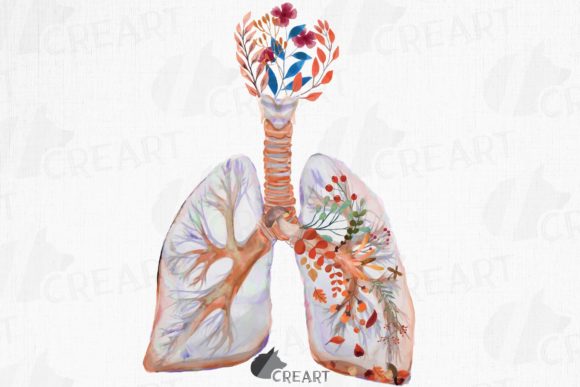
A Floral Human Anatomical Stomach Design is more than a simple medical diagram; it is a stylized representation that softens the clinical nature of internal organs. By incorporating autumn blooming elements—such as warm-hued leaves, vines, and blossoms—directly into or around the structure of the stomach, the design achieves a balance between scientific education and artistic expression. The watercolor medium adds a layer of texture and depth that vector line art alone often lacks, making it particularly suitable for contexts where a sterile or overly technical appearance is undesirable.
The primary appeal of this design lies in its dual functionality. For medical professionals, such as gastroenterologists, it serves as an engaging visual aid that can make complex digestive system concepts more approachable for patients. For students, it offers a memorable way to visualize anatomy. However, its utility extends far beyond the classroom or clinic. The artistic integration of flora makes these designs highly adaptable for lifestyle products, wedding decor, and fashion, where the human form is celebrated rather than scrutinized for pathology.
Practical Applications Across Industries
When evaluating whether this specific design asset aligns with your goals, it is essential to consider the breadth of its application. The versatility of a high-quality digestive system decor clip art package allows for deployment across various mediums:
- Educational Materials: Ideal for creating engaging handouts, presentation slides, or study guides for med students that break the monotony of standard black-and-white diagrams.
- Apparel and Merchandise: The design is well-suited for sublimation on tumblers, mugs, and t-shirts. The organic shapes of the flowers complement the curves of the stomach, creating a visually pleasing composition for clothing.
- Event Decor: For those planning themed events, such as medical school graduations or even unconventional wedding decor, these images can be used on invitations, cards, and stickers.
- Web and Digital Design: With transparent backgrounds, these assets can be easily layered into website headers, blog posts, or social media graphics without requiring extensive photo editing.
- Crafting and Scrapbooking: The detailed nature of the watercolor style adds a premium feel to physical crafts, including paper goods and wall decor.
Technical Specifications and File Format Utility
A critical factor in selecting digital assets is the range of file formats provided, as this dictates how the image can be manipulated. A comprehensive package for a Floral Human Anatomical Stomach Design should ideally include a diverse suite of files to ensure compatibility with various software ecosystems. Understanding the role of each format helps in determining the value of the purchase:
- PNG (High-Resolution with Transparent Background): This is often the most immediately useful file for general users. The invisible background allows the image to be placed on any color or texture without a white box surrounding it, essential for web design and overlaying on photos.
- SVG and DXF: These vector formats are indispensable for users utilizing cutting machines (like Cricut or Silhouette) for vinyl decals, stencils, or heat transfer projects. They allow for clean cuts along the design paths.
- AI and EPS: As native vector formats for Adobe Illustrator and Corel Draw respectively, these files offer the highest level of editability. They allow designers to resize the image to any dimension without quality loss and, crucially, to modify individual color values. This is vital for matching brand colors or adjusting the autumn palette to suit different seasons.
- PSD (Photoshop): A layered Photoshop file provides flexibility for raster-based editing, allowing users to adjust lighting, add textures, or isolate specific floral elements from the anatomical structure.
- JPG and PDF: These serve as universal viewing and printing standards, ensuring the design can be accessed even without specialized graphic design software.
Benefits and Tradeoffs of Watercolor Vector Hybrids
One of the distinct advantages of modern digital assets is the ability to combine the aesthetic of watercolor with the scalability of vector graphics. Traditional watercolor paintings are raster images; enlarging them often results in pixelation. However, when a watercolor floral human stomach is provided in vector formats (AI, EPS, SVG), users gain the best of both worlds: the artistic texture of paint and the mathematical precision of vectors. This means the design can be scaled from a small sticker to a large floral wall decor piece without any degradation in quality.
However, there are tradeoffs to consider. While vector files allow for color changes, heavily textured watercolor effects can sometimes be complex to edit if the vector paths are too numerous or if the texture is simulated through mesh gradients. Users expecting to completely redraw the anatomy should verify the complexity of the vector paths. Furthermore, while the design is versatile, its specific "autumn blooming" theme may limit its use in projects requiring a spring or summer aesthetic unless the colors are significantly altered using the provided editable files.
Decision-Making Insights for Buyers
Before acquiring a Gastroenterologist med student gift or a design asset for commercial use, buyers should assess their technical capabilities and project requirements. If the goal is simple drag-and-drop usage for a single invitation, the PNG and JPG files included in the package are sufficient. However, for entrepreneurs looking to create a line of sublimated mugs or t-shirts, access to the SVG, DXF, and high-resolution PNGs is non-negotiable for production quality.
It is also important to evaluate the intended audience. For a professional medical setting, the anatomical accuracy must remain paramount despite the floral embellishments. The design should enhance understanding, not obscure critical anatomical landmarks. Conversely, for fashion or home decor, artistic license takes precedence, and the whimsical nature of the flowers becomes the selling point.
When to Consider Alternatives
While the Floral Human Anatomical Stomach Design offers a unique blend of science and art, it may not be the optimal choice for every scenario. If a project requires strict adherence to medical textbook standards for diagnostic purposes, a purely clinical, unadorned illustration is preferable. Similarly, if a brand identity relies on minimalist, flat-design aesthetics, the detailed texture of a watercolor style might clash with the overall visual language. In such cases, seeking out simplified line art or solid-color icons would be a more strategic decision.
Additionally, users who lack access to vector editing software like Adobe Illustrator or Corel Draw may find the AI and EPS files less useful, though the inclusion of PSD and PNG ensures they can still utilize the core imagery. Ultimately, the decision to use this design hinges on the desire to humanize and beautify the subject of digestion. When the goal is to create something that is both informative and emotionally resonant, this fusion of anatomy and autumn flora provides a compelling solution.
In conclusion, the value of this digital package lies in its comprehensive file support and its ability to bridge the gap between medical education and decorative art. By offering resizable, editable, and high-resolution options, it empowers users to adapt the digestive system decor to a wide array of creative endeavors, ensuring that the final output meets both aesthetic and functional standards.