Integrating the Sport Stadium Set, Cartoon Style into Modern Design Workflows
In the fast-paced world of digital design, the difference between a prototype that stalls and one that gets approved often comes down to visual clarity and emotional resonance. When working on projects related to sports apps, event ticketing platforms, or educational materials about athletics, designers frequently face the challenge of sourcing assets that are both versatile and stylistically consistent. This is where a dedicated Sport Stadium Set, Cartoon Style becomes an indispensable resource. Rather than treating these assets as mere decorative afterthoughts, savvy creators integrate them early in the planning phase to streamline production, ensure brand consistency, and accelerate the path from concept to final delivery.
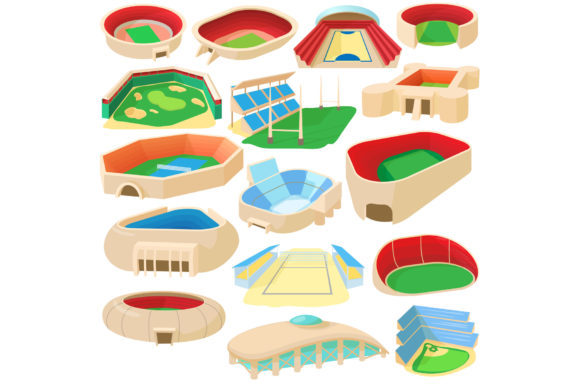
A cartoon-style stadium set is more than just a collection of images; it is a modular toolkit designed for scalability. Whether you are a freelancer building a mobile game, a marketer creating social media graphics for a local league, or an educator developing interactive lessons about community infrastructure, the utility of these vector illustrations lies in their adaptability. By utilizing a comprehensive set of cartoon sport stadium icons, professionals can maintain a cohesive visual language across various touchpoints without the overhead of custom illustration for every single element.
Strategic Placement in the Creative Process
The integration of a Sport Stadium Set should ideally begin during the wireframing and mood-boarding stages, not just at the final polish phase. When initiating a project, such as a new fantasy sports application or a community event website, defining the visual tone early prevents costly revisions later. A cartoon aesthetic offers a specific advantage: it lowers the barrier to entry for users, making complex information about seating charts, venue amenities, or game rules feel approachable and engaging.
During the initial brainstorming sessions, having access to isolated vector elements allows teams to rapidly mock up different layouts. Instead of waiting for a custom illustrator to draft a grandstand or a scoreboard, a designer can pull from the universal sport stadium icons to test user flow. Does the navigation bar need a stadium icon? Is the "Buy Tickets" button better served by a specific gate illustration? These decisions happen faster when the assets are ready to deploy. This proactive approach aligns with efficient workflow management, ensuring that the creative vision is validated before significant development resources are committed.
Furthermore, these assets play a crucial role during the iteration phase. As feedback comes in from stakeholders or beta testers, the flexibility of vector formats like AI and EPS allows for quick modifications. You might need to recolor a section of the stands to match a client's brand palette or simplify a detail for better visibility on smaller mobile screens. Because the elements are isolated, you avoid the tedious process of masking or erasing parts of a flattened image, preserving the integrity of the design while adapting to new requirements.
Technical Compatibility and File Management
For any professional workflow, the technical specifications of your assets are just as important as their aesthetic appeal. A high-quality Sport Stadium Set, Cartoon Style typically provides a range of file formats to accommodate different stages of the production pipeline. Understanding how to leverage JPG, PNG, EPS, AI, and PSD files effectively can significantly boost productivity.
- Vector Formats (AI, EPS): These are the backbone of scalable design. Use these files when working in Adobe Illustrator or compatible vector editors. They allow you to resize elements from a tiny favicon to a massive billboard graphic without any loss of quality. This is essential for responsive web design, where assets must look crisp on everything from a smartwatch to a 4K monitor.
- Layered Raster (PSD): Photoshop files are invaluable when you need to apply complex textures, lighting effects, or blend modes that are easier to manage in a raster environment. Having the stadium elements on separate layers means you can adjust the opacity of the crowd or add shadows to the field independently.
- Web-Ready Raster (PNG, JPG): For rapid prototyping in tools like Figma, Sketch, or direct implementation in HTML/CSS, pre-rendered PNGs with transparent backgrounds are time-savers. They eliminate the need for every team member to have advanced vector software installed, facilitating smoother collaboration between designers and developers.
Organization is key to maintaining efficiency over the long term. When downloading a comprehensive set, establish a clear folder structure immediately. Separate files by format and perhaps by element type (e.g., "Seating," "Lighting," "Field Markings"). This preparation pays dividends when you are under a tight deadline and need to locate a specific cartoon sport stadium icon within seconds. Consistent naming conventions also help when handing off files to developers, ensuring they can easily identify which asset corresponds to which part of the interface.
Enhancing User Experience and Engagement
Beyond the technical logistics, the choice of a cartoon style serves a strategic function in user experience (UX). Sports venues can be intimidating or confusing environments, especially for first-time visitors or younger audiences. A Cartoon Style interpretation simplifies the geometry of a stadium, highlighting key features like entrances, concession stands, and restrooms without the visual noise of photorealism. This abstraction helps users focus on what matters most: navigation and information.
Consider a mobile app designed for a local youth soccer league. Using realistic photos might clash with the playful, community-focused brand identity. However, integrating universal sport stadium icons in a cheerful, cartoonish style reinforces the friendly nature of the organization. It creates an emotional connection, making the digital interaction feel less transactional and more communal. This psychological impact is a subtle but powerful tool for marketers and business owners looking to build loyalty.
In educational contexts, these illustrations are equally effective. Teachers creating presentations about the history of sports or the physics of a ball in flight can use these isolated elements to build custom diagrams. The ability to deconstruct the stadium into its basic components allows for clear, step-by-step visual explanations that keep students engaged. The versatility of the set means it can grow with the curriculum, serving multiple lessons over several semesters.
Workflow Integration and Collaboration
Implementing a Sport Stadium Set smoothly requires consideration of how it fits into the broader ecosystem of tools your team uses. If your development team relies on React or Vue, ensure that the SVG code derived from the vector files is clean and optimized. Bloated code can slow down page load times, negatively impacting SEO and user retention. Most modern vector sets are designed with clean paths, but a quick audit in your code editor is a good quality control measure.
Collaboration also extends to version control. When multiple designers are working on the same project, using a shared library of these icons ensures everyone is pulling from the same source of truth. This prevents the "frankenstein" effect where different parts of the app have slightly different shades of green for the grass or varying line weights for the bleachers. Consistency builds trust with the end-user and projects a professional image for the brand.
Moreover, these assets facilitate better communication with non-design stakeholders. When presenting a proposal to a client or a board member, abstract wireframes can sometimes fail to convey the final vision. Dropping in high-quality cartoon sport stadium icons instantly elevates the presentation, helping decision-makers visualize the end product more clearly. This can speed up approval cycles and reduce the number of revision rounds needed to get a project across the finish line.
Long-Term Value and Scalability
Investing in a robust set of Cartoon sport stadium icons is a decision that yields returns well beyond a single project. As your portfolio grows or your business expands into new verticals, these assets remain relevant. A stadium icon used today for a football app can be repurposed tomorrow for a concert venue finder or a virtual reality experience. The universal nature of the design elements ensures they do not become dated quickly, unlike trends that rely on hyper-specific textures or fleeting color palettes.
Scalability also applies to the scope of your projects. You might start with a simple landing page using just three icons from the set. Six months later, you could be launching a full-scale interactive map of a major arena. Because the set includes basic sport stadium elements that are designed to work together, expanding the scope does not require hunting for new, mismatched assets. This continuity preserves the brand identity and saves considerable time and budget in the long run.
Ultimately, the successful use of a Sport Stadium Set, Cartoon Style hinges on viewing it as a foundational component of your design strategy rather than a last-minute fix. By planning for its integration, managing the files efficiently, and leveraging its stylistic strengths, you can create digital experiences that are not only visually appealing but also highly functional and user-friendly. Whether you are optimizing a checkout flow for ticket sales or designing an engaging learning module, these universal vectors provide the structural support needed to execute your vision with precision and flair.