Mastering Visual Storytelling with a Hexagon Infographic Four Step Template
In the fast-paced world of digital communication, capturing attention is only half the battle; holding it requires clarity. Whether you are a small business owner pitching a new strategy, an educator breaking down complex theories, or a freelancer presenting a project roadmap, the way you structure information matters immensely. This is where a Hexagon Infographic Four Step design becomes an invaluable asset. Unlike standard bullet points or dense paragraphs, this visual approach leverages geometric precision and color psychology to guide the viewer's eye through a logical narrative.
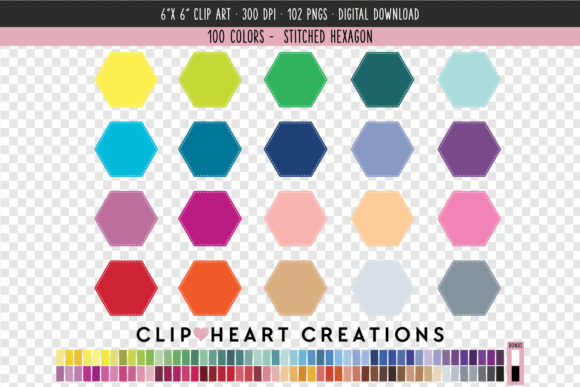
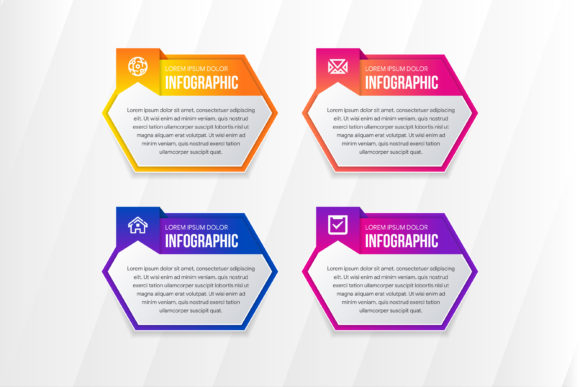
The core concept is simple yet powerful: take a process, a timeline, or a set of ideas and distill them into four distinct, interconnected stages. The hexagon shape is particularly effective here because it implies stability and connection. When arranged horizontally, these shapes create a natural flow from left to right, mirroring how we read and how we perceive time moving forward. By utilizing a template that features gradient color variations—shifting perhaps from deep blues to vibrant purples or warm yellows—you add a layer of modern sophistication that flat colors often lack.
Why the Four-Step Structure Works for Real Projects
You might wonder why four steps specifically? In practice, four is a "Goldilocks" number for business and educational presentations. It is substantial enough to cover the beginning, middle, and end of a story without oversimplifying, yet concise enough to fit on a single slide or webpage without overwhelming the audience. Three steps can sometimes feel too brief, while five or six can clutter the screen. Four allows for a balanced rhythm: Problem, Analysis, Solution, Result; or Plan, Execute, Monitor, Improve.
When you use a horizontal hexagon layout, you are essentially creating a visual timeline. This is crucial for stakeholders who need to grasp the sequence of events quickly. Imagine a marketing team presenting a quarterly campaign. Instead of listing dates in a spreadsheet, they can use the four hexagons to represent Research, Content Creation, Launch, and Analytics. The gradient background within each shape can subtly indicate progress or intensity, making the data feel alive rather than static.
Practical Applications Across Different Industries
The versatility of this vector template means it isn't confined to corporate boardrooms. Let's look at how different users can apply this in real-world scenarios:
- Entrepreneurs and Startups: When seeking funding, clarity is currency. A founder can use the four-step infographic to outline their business model: Market Gap, Unique Solution, Go-to-Market Strategy, and Revenue Projection. The paper cut element adds a tactile, creative feel that suggests innovation and out-of-the-box thinking, distinguishing the pitch from generic corporate decks.
- Educators and Trainers: Teachers often struggle to make abstract concepts concrete. A science teacher could illustrate the water cycle or a historical timeline using the four connected hexagons. Because the text is editable and the shapes are 100% vector, the content can be resized for large classroom posters or shrunk for handouts without losing quality.
- Freelancers and Consultants: If you are a web designer explaining your workflow to a client, this template serves as a perfect contract visualizer. Step 1: Discovery, Step 2: Design, Step 3: Development, Step 4: Launch. It manages client expectations by visually demonstrating that there are necessary phases before the final product is delivered.
- Bloggers and Content Creators: For online articles, engagement drops when walls of text appear. Embedding a high-resolution JPG or SVG of this infographic breaks up the content and provides a shareable asset. Readers are more likely to save or pin an image that summarizes an article's key points effectively.
The Importance of High-Quality Vector Assets
Not all graphics are created equal. When selecting a resource like this, the technical specifications matter just as much as the design aesthetic. A template described as "100% vector" (available in AI, EPS, and SVG formats) ensures that you have total control. You aren't stuck with a pixelated image that blurs when projected on a large screen. With vector files, you can scale the hexagons to fit a billboard or a mobile phone screen with crisp edges every time.
Furthermore, the inclusion of paper cut elements and shadow effects adds depth. In a digital landscape dominated by flat design, adding subtle layers and gradients creates a sense of dimensionality. This "pop-out" effect draws the eye and makes the information feel more tangible. The ability to edit colors is also critical for brand consistency. If your company branding relies on specific shades of teal and orange, you can easily swap the default blue and pink gradients to match your identity perfectly.
What to Consider Before Downloading and Using
Before integrating this into your next presentation or report, consider the context of your audience. While the design is colorful and engaging, ensure that the contrast between the text and the gradient background remains readable. High-resolution 300 DPI files are excellent for print materials like brochures or annual reports, but for web use, you might optimize the file size slightly to ensure fast loading times without sacrificing visual fidelity.
Also, think about the narrative arc. Don't just fill the four boxes with random facts. Ensure that each step logically leads to the next. The horizontal arrangement implies a journey; if the steps are disjointed, the visual flow will feel broken. Use the space provided for text wisely—keep descriptions punchy and direct. The graphic does the heavy lifting of showing the connection; your words should simply clarify the details.
Ultimately, tools like the Hexagon Infographic Four Step template are about efficiency and impact. They save you hours of design time while elevating the professional quality of your output. Whether you are building a slide deck, designing a website banner, or creating an internal memo, having a well-organized, editable, and visually striking template allows you to focus on what really matters: the message itself. By choosing a resource that combines artistic flair with functional layout, you empower yourself to communicate ideas with confidence and clarity.